
What Is PT/INR Testing?
Prothrombin Time (PT) is a laboratory test that measures the time required for blood to clot through the extrinsic pathway (factors VII, X, V, II, and fibrinogen). This test is one of the most frequently performed hemostasis tests in clinical laboratories.
PT results are expressed as International Normalized Ratio (INR) — a mathematical formula that standardizes PT results from different laboratories worldwide, regardless of the type of reagent or instrument used. This allows physicians to compare results between laboratories with confidence.
The Blood Clotting System (Hemostasis)
The blood clotting process involves a series of enzymatic reactions called the coagulation cascade:
| Pathway | Factors Involved | Laboratory Test |
|---|---|---|
| Extrinsic Pathway | Tissue Factor, VII, X, V, II, Fibrinogen | PT / INR |
| Intrinsic Pathway | XII, XI, IX, VIII, X, V, II, Fibrinogen | APTT |
| Common Pathway | X, V, II (Prothrombin), Fibrinogen | PT and APTT |
Why Is PT/INR Testing So Important?
Anticoagulant Therapy Monitoring
Millions of patients worldwide take oral anticoagulants such as warfarin to prevent blood clotting. PT/INR ensures:
- Warfarin dose is not too low (risk of thrombosis)
- Warfarin dose is not too high (risk of bleeding)
- Patient is within the safe therapeutic range
Other Clinical Indications
- Pre-surgery — Bleeding risk screening
- Liver disease — Evaluation of liver synthetic function
- Vitamin K deficiency — Malnutrition, absorption disorders
- DIC — Disseminated Intravascular Coagulation
- Congenital factor deficiency — Hemophilia and other coagulation disorders
Target INR in Anticoagulant Therapy
| Clinical Condition | Target INR |
|---|---|
| Normal person (no therapy) | 0.8 - 1.2 |
| Atrial fibrillation | 2.0 - 3.0 |
| Deep vein thrombosis (DVT) | 2.0 - 3.0 |
| Pulmonary embolism | 2.0 - 3.0 |
| Mechanical heart valves | 2.5 - 3.5 |
| Antiphospholipid syndrome | 2.5 - 3.5 |
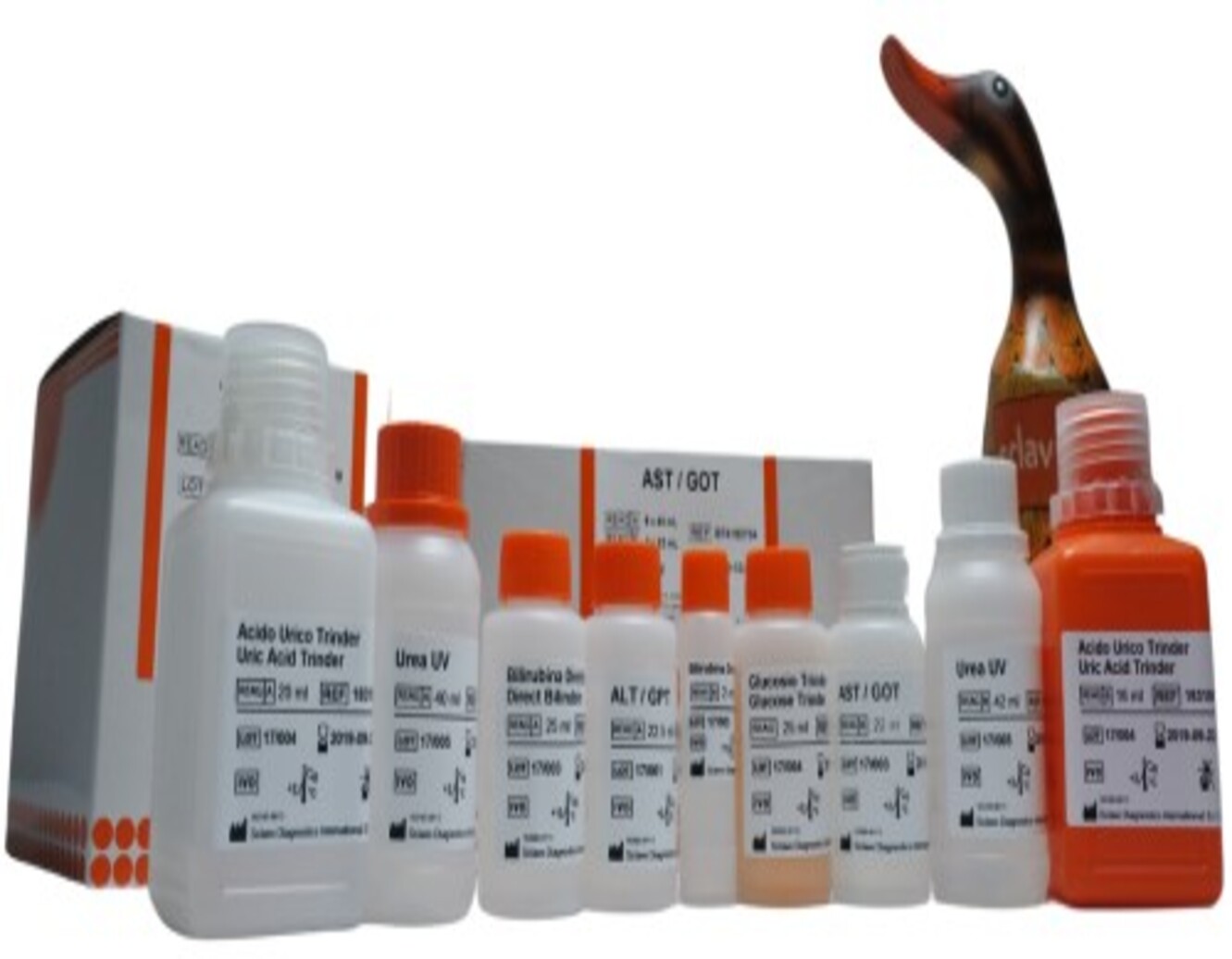
PT Reagents from Sclavo Diagnostics
Sclavo PT-ReadyQuick
Premium thromboplastin reagent from Sclavo Diagnostics Srl, Italy with advantages:
- ISI < 1.1 — Low International Sensitivity Index produces more accurate and precise INR results
- WHO-calibrated — Uses international reference preparations as standards
- Rabbit brain origin — Resembles human BCT for optimal sensitivity to factor deficiency
- Ready-to-use — Ready for use after easy reconstitution
- Good stability — Stable after reconstitution for an adequate duration
Other Hemostasis Products from Sclavo:
- PT Direct INR Kit — For direct INR measurement
- APTT-S Kit — For intrinsic pathway testing
- Calibration Plasma Kit — Standard plasma for calibration
- Normal Control Plasma Kit — Normal control for daily QC
Tips for Accurate Hemostasis Testing
- Sample collection — Use citrate tubes (blue cap) with a blood-to-anticoagulant ratio of 9:1
- Avoid hemolysis — Traumatic blood collection can affect results
- Process promptly — Samples must be processed within 4 hours of collection
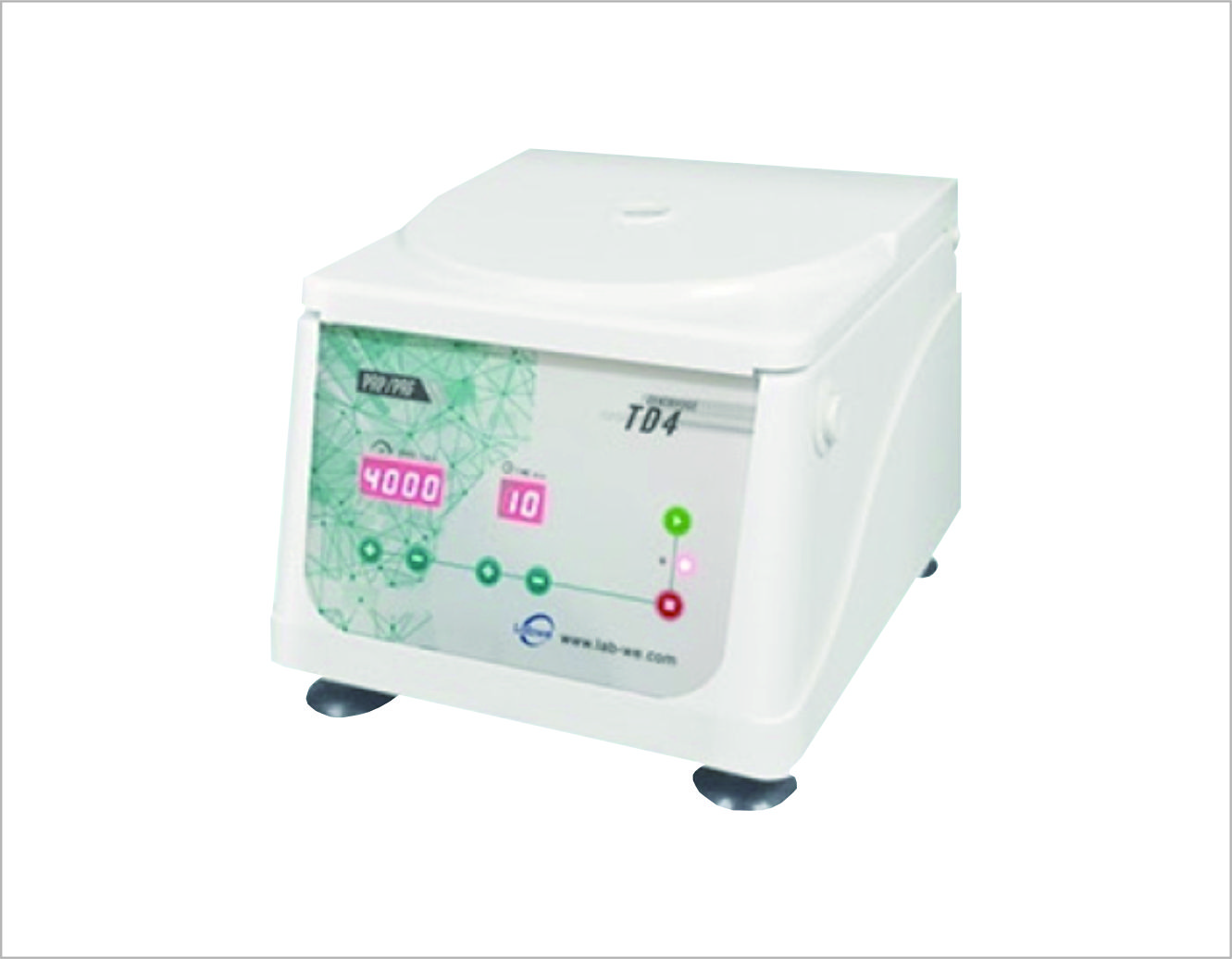
- Centrifugation — 2,500 RPM for 15 minutes to obtain platelet-poor plasma
- Daily QC — Run normal and abnormal controls before patient samples
- Note medications — Ask patients about anticoagulant medications and supplements they are taking