
Microscopes: The Second Eye of Healthcare Professionals
Biological microscopes have been an inseparable tool of medical laboratories since the 17th century. The discovery of the microscope by Antonie van Leeuwenhoek opened a new world in medical science — enabling humans to see bacteria, blood cells, and microorganisms invisible to the naked eye.
To this day, although diagnostic technology has advanced rapidly with the arrival of automated analyzers, microscopes still play a vital role. Many examinations still require visual confirmation by skilled professionals through microscopic observation, such as malaria parasite identification, abnormal blood cell morphology, and urine sediment analysis.
Types of Examinations Requiring Microscopes
| Field of Examination | Example Tests | What Is Observed |
|---|---|---|
| Hematology | Peripheral blood smear | Blood cell morphology, malaria parasites, blast cells |
| Urinalysis | Urine sediment | Crystals, epithelial cells, leukocytes, erythrocytes, casts |
| Microbiology | Gram stain, AFB stain | Bacteria, fungi, acid-fast bacilli (TB) |
| Parasitology | Stool examination | Worm eggs, protozoa, amoeba |
| Cytology | Pap smear | Abnormal cells, cancer cells |
| Histopathology | Tissue biopsy | Tissue structure, tumor cells |
Choosing the Right Microscope for Your Needs
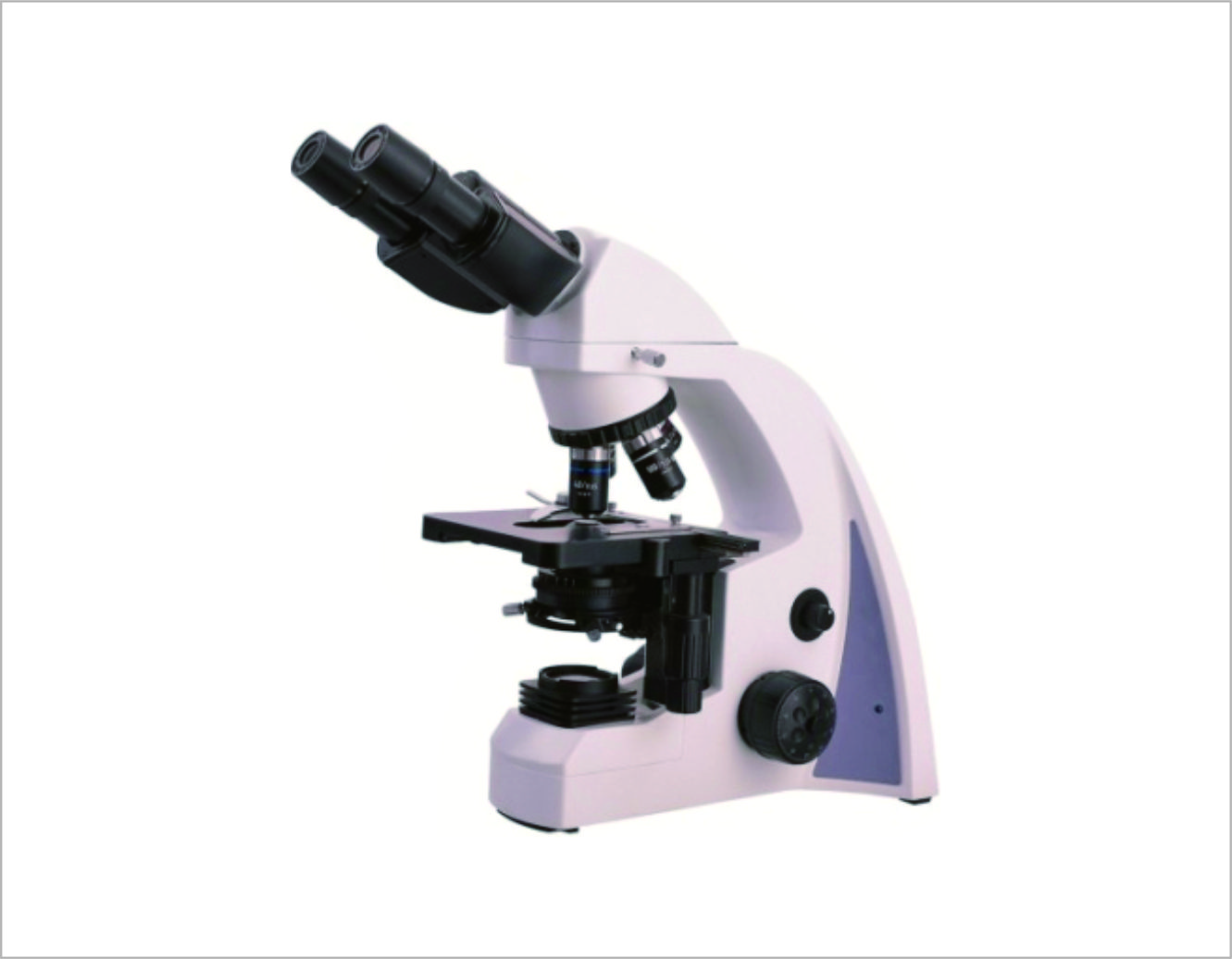
BestScope offers a complete range of biological microscopes with premium optical quality for various levels of requirements:
BS-2020 — Entry Level
Suitable for: Education, training, basic studies
- Economical and practical series
- Energy-efficient LED illumination with long lifespan
- Easy to operate for beginners
- Ideal for health schools and analyst academies
BS-2036 — Intermediate
Suitable for: Higher education, mid-level medical laboratories
- High-quality optical system
- Ergonomic design for extended use
- Better contrast and image sharpness
- Suitable for community health centers and primary clinics
BS-2040 — Advanced
Suitable for: Clinical laboratories, hospitals
- Infinity optical system
- High definition with extremely sharp images
- Comfortable and precise operation
- Ideal for routine clinical diagnosis
BS-2052 — Professional
Suitable for: Reference laboratories, research
- Advanced stand with high stability
- Ultra-high definition optical system
- Compatible with BUC2D-500C microscope camera
- Ideal for documentation and telemedicine
Digital Microscope Camera: BUC2D-500C
For documentation, reporting, and telemedicine needs, BestScope provides the BUC2D-500C Series USB Microscope Camera with a 5.0 MP Sony IMX335LQN-C sensor. This camera significantly increases the frame rate with specialized ISP technology, enabling high-quality image and video capture from microscopic observations.
Microscope Maintenance Tips for Longevity
- Lens cleaning — Use special lens tissue or microfiber cloth with lens cleaning solution. Never use regular tissue that can scratch lens surfaces
- Storage — Store in a dry place with low humidity, use silica gel in storage cabinets
- Dust cover — Always use a dust cover when the microscope is not in use
- Avoid direct contact — Do not touch lenses with bare fingers as skin oils can damage lens coatings
- Regular calibration — Perform calibration and routine service every 6-12 months
- Careful handling — Always carry the microscope with both hands (one on the arm, one on the base)