
What Is a Centrifuge?
A centrifuge is an essential laboratory instrument used to separate components in a liquid based on density differences using centrifugal force. The principle is simple: by spinning samples at high speed, heavier components settle to the bottom of the tube, while lighter components remain on top.
In the medical laboratory world, centrifuges are used almost every day to:
- Separate serum or plasma from blood cells for clinical chemistry testing
- Separate urine sediment for microscopic analysis
- Determine hematocrit values (percentage of red blood cell volume)
- Prepare samples for serological and immunological testing
- Separate components of cerebrospinal fluid, pleural fluid, and other body fluids
Guide to Choosing a Centrifuge Based on Your Needs
| Model | Type | Max Speed | Key Features | Recommended For |
|---|---|---|---|---|
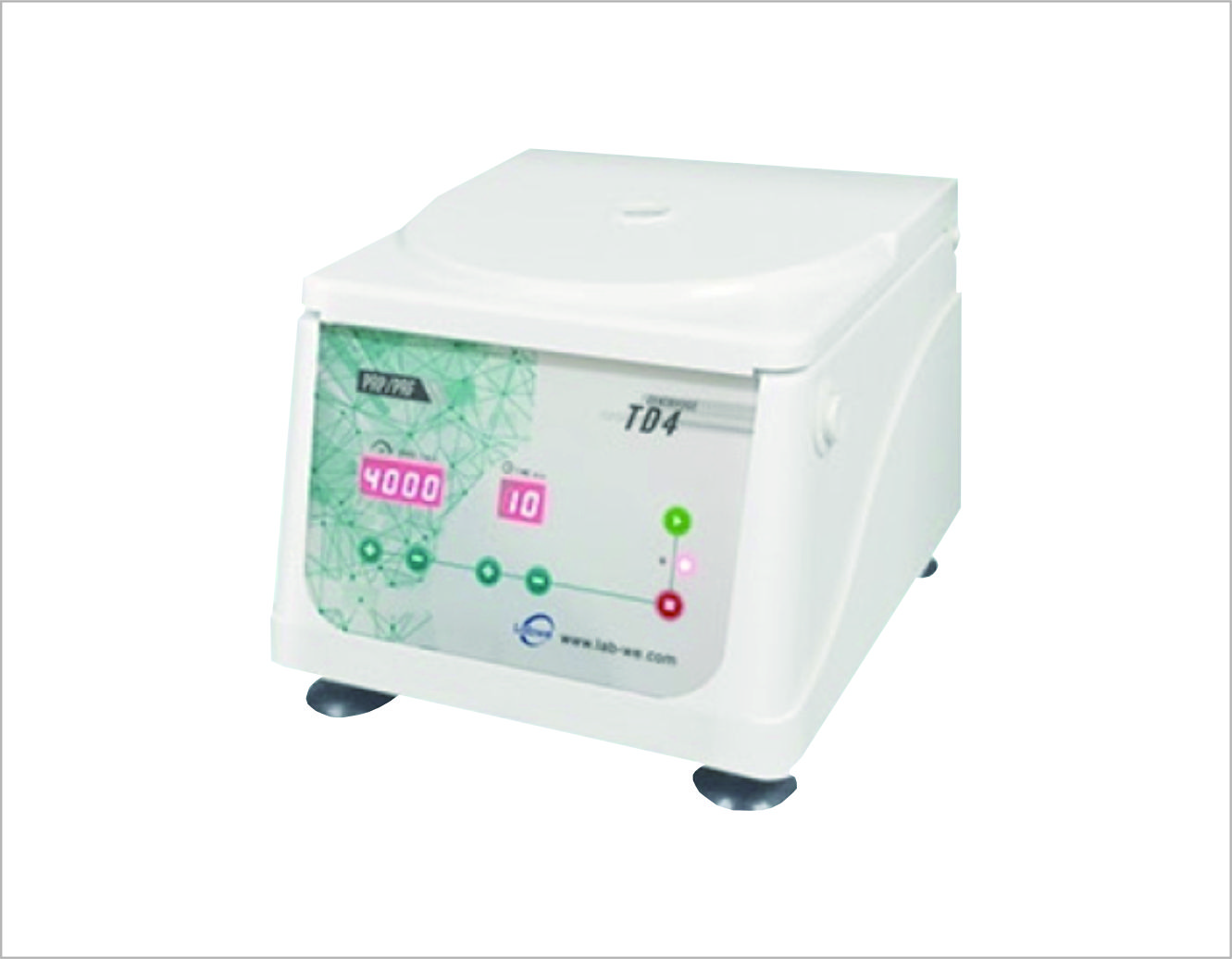
| LABWE TD4 | Low-Speed Portable | 4,000 RPM | 5 kg weight, brushless motor, LCD display | Health centers, small clinics, mobile labs |
| LABWE BT16M | High-Speed Benchtop | 16,000 RPM | AC brushless motor, LCD, multi-rotor | Clinical labs, hospitals |
| LABWE BT16MR | High-Speed + Refrigerated | 16,000 RPM | CFC-free cooling, 5-inch color LCD, pre-cooling | Research labs, temperature-sensitive samples |
| LABWE BT6 | Large Capacity Benchtop | 6,000 RPM | Brushless motor, large capacity | High-volume labs, blood banks |
| LABWE BT20RA | Large Capacity + High-Speed | 20,000 RPM | 5-inch color LCD, multi-rotor, refrigerated | Reference labs, advanced research |
| LABWE TG12 | Hematocrit & Micro | 12,000 RPM | AC brushless motor, hematocrit capillary specific | Routine hematocrit testing |
Common Features of LABWE Centrifuges
- Microprocessor Control — Precise speed, time, and RCF settings
- Brushless Motor — More durable, minimal vibration, and low noise
- Automatic Safety — Auto lid-lock system, rotor imbalance detection
- Gradual Acceleration & Deceleration — Ramp-up and ramp-down settings for sample protection
- Program Memory — Save frequently used settings
- Error Code Information — Self-diagnosis for easy troubleshooting
Tips for Proper Centrifuge Use
- Balance the tubes — Always place opposing tubes with equal weight to avoid rotor damage
- Use the correct RPM — Each type of test requires a specific speed (e.g., blood serum: 3,000-3,500 RPM for 5-10 minutes)
- Close securely — Ensure the centrifuge lid is locked before running the instrument
- Do not open while spinning — Wait for the rotor to stop completely before opening the lid
- Inspect the rotor regularly — Check for signs of corrosion, cracks, or wear
- Clean spills immediately — Spilled samples can cause corrosion and contamination
Free Consultation: Confused about choosing the right centrifuge? Contact the PT Buana Mitra Sukses technical team for free consultation. We will recommend the LABWE centrifuge that best suits your laboratory needs and budget.