
The Threat of Tropical Diseases in Indonesia
Indonesia, as a tropical country with a warm climate and high humidity, faces a high risk of vector-borne diseases transmitted by mosquitoes. Two of the most threatening diseases are malaria and dengue hemorrhagic fever (DHF), both of which require rapid diagnosis for timely treatment.
According to WHO data, Indonesia remains one of the malaria-endemic countries in Southeast Asia, while dengue cases continue to increase annually, especially during the rainy season. Early detection is the key to reducing mortality rates from both diseases.
Malaria: Rapid Detection with Rapid Diagnostic Tests
Malaria is caused by Plasmodium parasites transmitted through the bite of female Anopheles mosquitoes. In Indonesia, the two most common types are:
- P. falciparum — The most dangerous type, can cause severe malaria and death
- P. vivax — The most frequently found type, can cause relapse
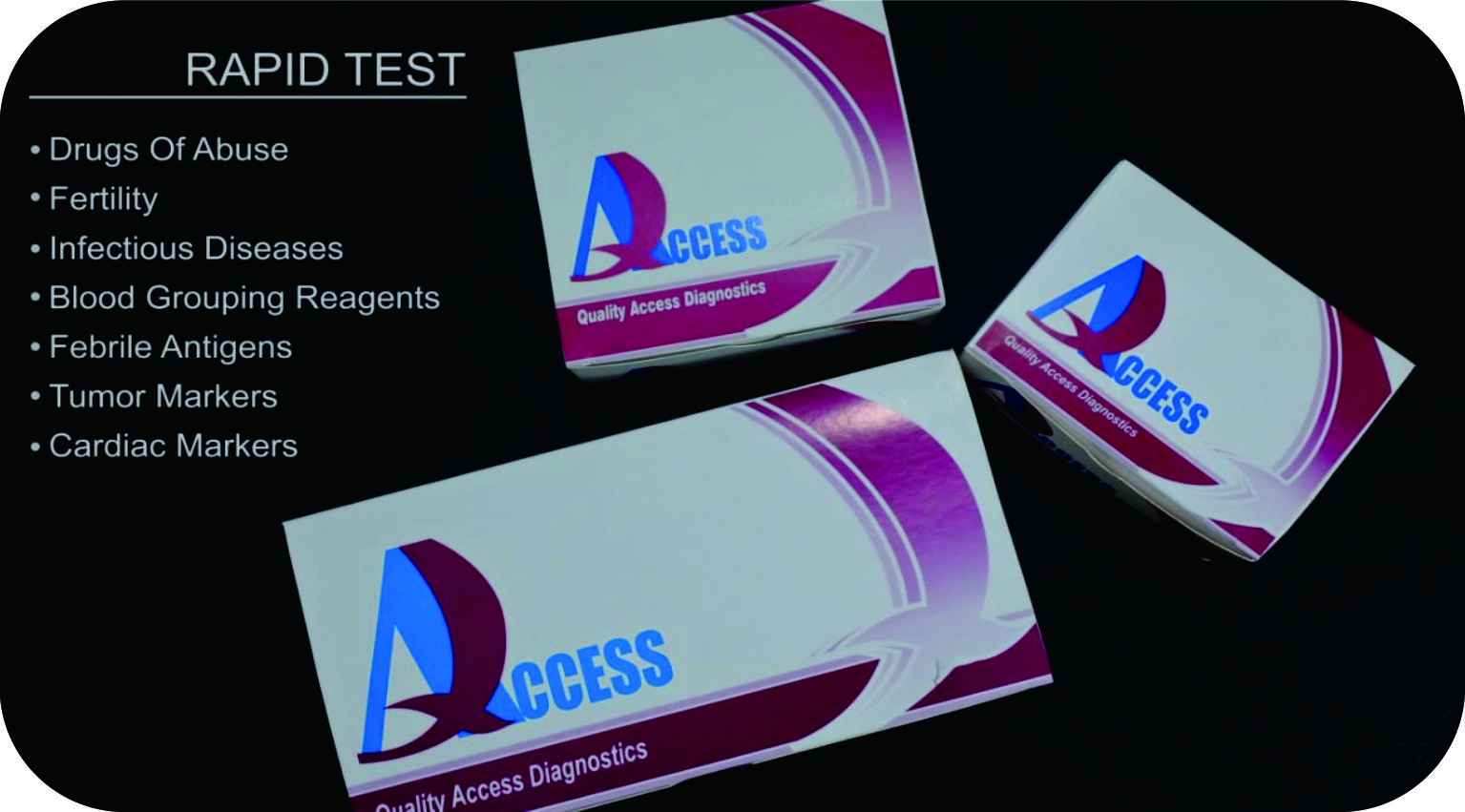
Quality Access Malaria Rapid Test
This rapid test can detect and differentiate antigens from various Plasmodium species:
| Test Line | Target | Species |
|---|---|---|
| Line 1 (Pf) | HRP-2 (Histidine-Rich Protein 2) | P. falciparum only |
| Line 2 (Pan) | pLDH (Plasmodium Lactate Dehydrogenase) | P. vivax, P. ovale, P. malariae |
| Control Line | Test validation | Must always appear |
Result Interpretation:
- C only = Negative (no malaria infection)
- C + Pf = Positive P. falciparum
- C + Pan = Positive non-falciparum (P. vivax/ovale/malariae)
- C + Pf + Pan = Mixed infection or P. falciparum only
Dengue Hemorrhagic Fever: IgG/IgM Detection
DHF is caused by the dengue virus (DENV-1 through DENV-4) transmitted through the bite of Aedes aegypti mosquitoes. Rapid diagnosis is crucial because DHF can progress to Dengue Shock Syndrome (DSS), which can be fatal.
Quality Access Dengue IgG/IgM
This rapid test qualitatively detects IgG and IgM antibodies against dengue virus using recombinant antibody protein and recombinant dengue E antigen.
| Antibody | Time of Appearance | Interpretation |
|---|---|---|
| IgM (+) IgG (-) | Day 3-5 of illness | Primary dengue infection (first-time infection) |
| IgM (+) IgG (+) | Day 4-7 of illness | Secondary dengue infection (previously infected — higher risk of severity) |
| IgM (-) IgG (+) | After acute phase | Past infection or convalescent phase |
Why Are Rapid Tests Important in Indonesia?
- Geography — Indonesia has thousands of islands with limited access to full-service laboratories
- Speed — Results in 15-20 minutes without specialized equipment
- Portability — Can be used in sub-health centers, village midwife posts, and health posts
- Simplicity — Does not require trained laboratory personnel for interpretation
- Storage — Stable at room temperature (2-30°C), no refrigeration needed
- Cost-effective — More affordable than PCR or ELISA testing
When Should Rapid Tests Be Used?
- Febrile patients in malaria-endemic areas
- Patients with classic DHF symptoms (sudden high fever, muscle pain, rash, thrombocytopenia)
- Mass screening during disease outbreaks
- Healthcare facilities without microscopes or complete laboratories
- Field examinations by surveillance teams