Centrifuge Laboratorium: Jenis, Fungsi, dan Tips Perawatan
Admin BMS
25 January 2026
A centrifuge is one of the most frequently used instruments in medical and research laboratories. It works by spinning samples at high speed to separate components based on their density, such as separating serum or plasma from blood cells.
Types of Laboratory Centrifuges:
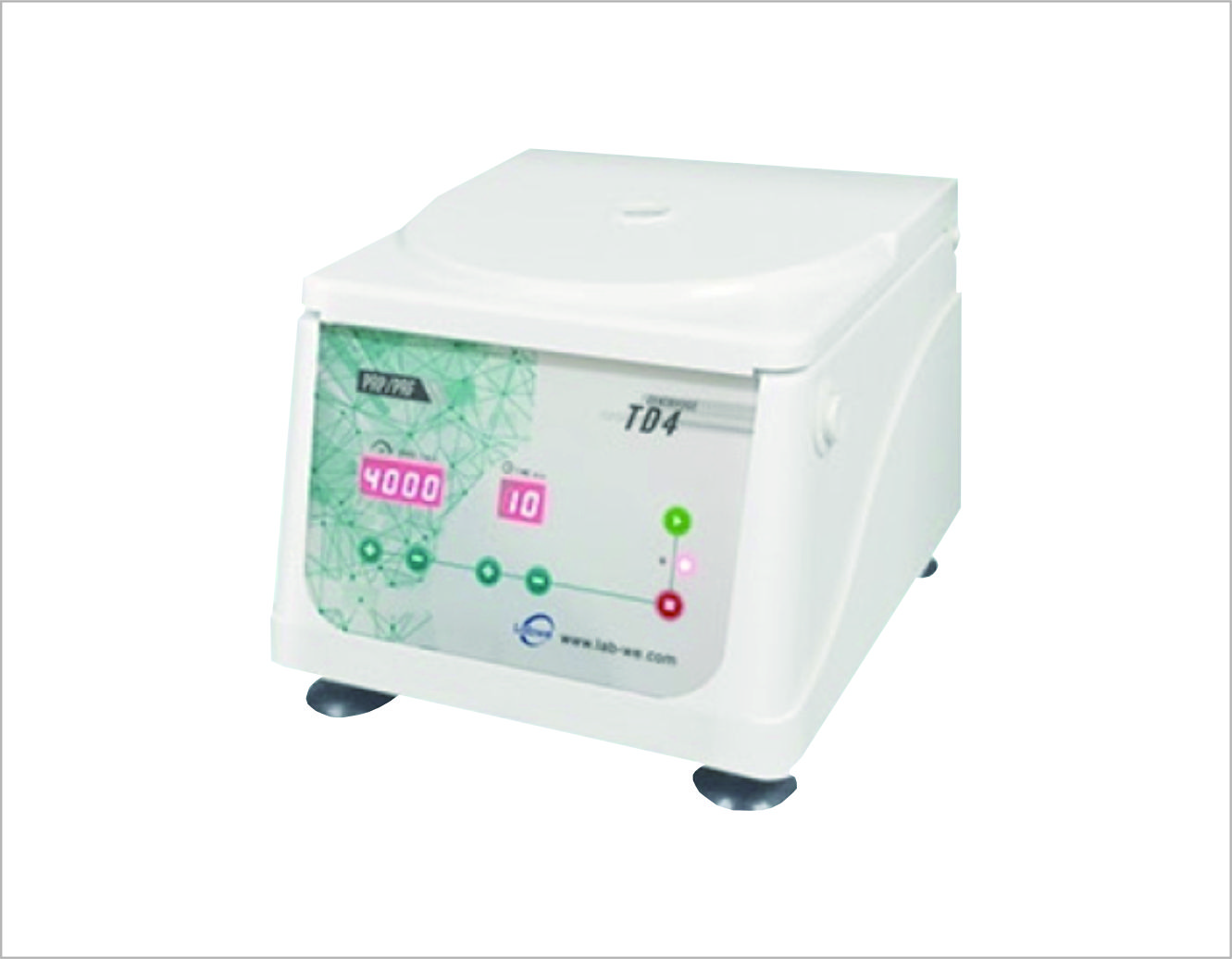
1. Low-Speed Centrifuge (up to 6,000 RPM) - For basic blood separation, urine sediment
2. High-Speed Centrifuge (up to 20,000 RPM) - For sub-cellular components
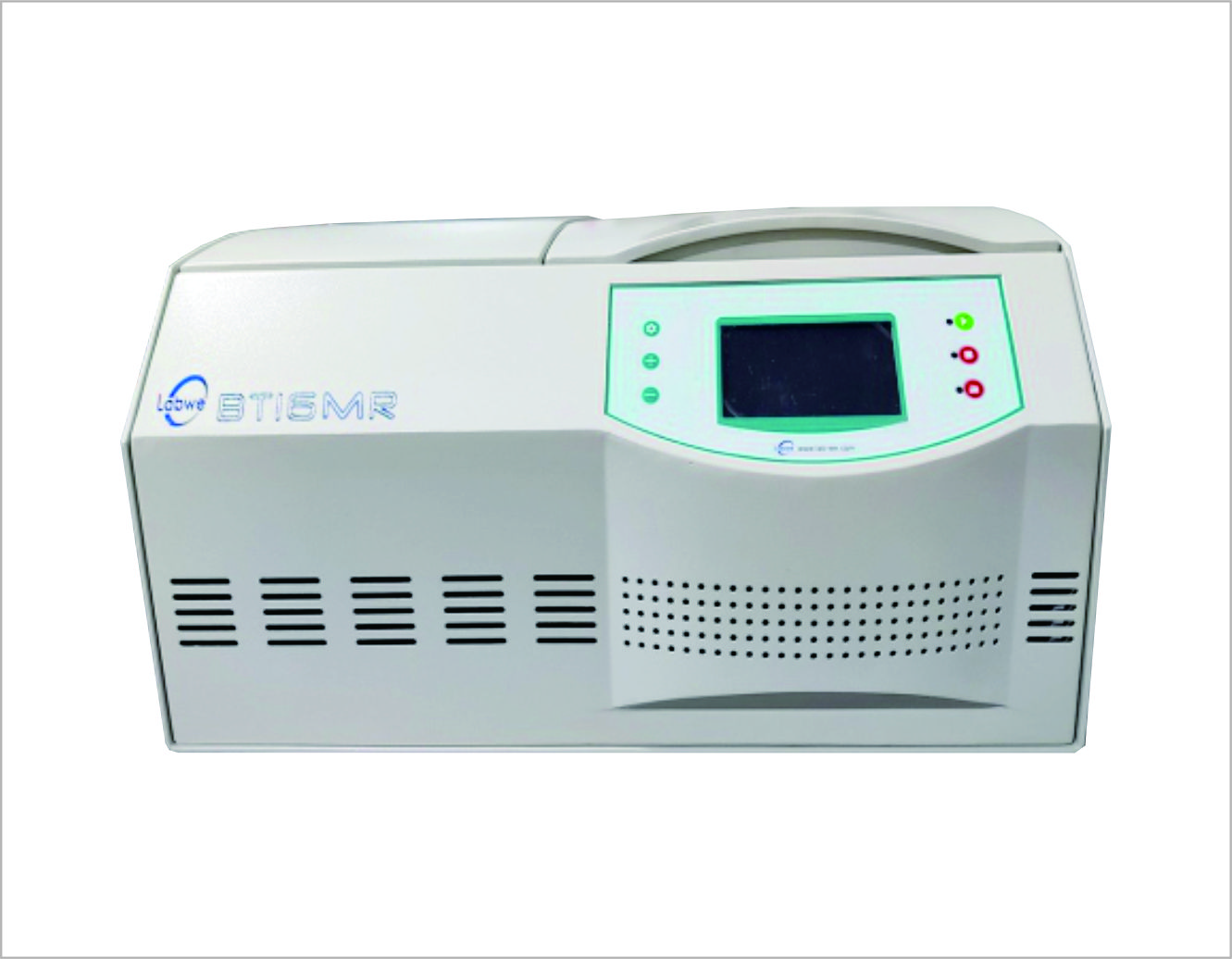
3. Refrigerated Centrifuge - Maintains low temperature during spinning for temperature-sensitive samples
4. Hematocrit Centrifuge - Specifically for hematocrit determination
5. Micro Centrifuge - For small volume samples in molecular biology
Maintenance Tips:
- Always balance samples before running
- Clean the rotor and chamber regularly
- Check O-rings and gaskets periodically
- Calibrate speed and timer annually
- Never exceed maximum RPM for the rotor being used
- Allow the unit to come to full stop before opening
LABWE centrifuges available from PT Buana Mitra Sukses:
- TD4: Portable Low Speed Centrifuge (lightweight at 5kg)
- BT6: Benchtop High Capacity Centrifuge
- BT16M: Benchtop High Speed Centrifuge
- BT16MR: Benchtop High Speed Refrigerated Centrifuge
- BT20RA: High Speed Large Capacity Centrifuge
- TG12: Micro Hematocrit Centrifuge